
Posted on: January 15, 2026 / Last updated: January 15, 2026
【2026 North America Ocean Freight】Spot Rates Surge Ahead of Lunar New Year — Is This a Real Recovery?
Today I would like to take a closer look at the current situation in the trans-Pacific ocean freight market, where spot rates to North America have surged sharply ahead of the Lunar New Year in 2026.
At first glance, the numbers may suggest a strong recovery, but when we examine the background more carefully, the situation is far more complex.
The key question is whether this surge represents a genuine shift in market fundamentals or merely a temporary seasonal spike driven by short-term factors.
CONTENTS
Watch the Video Here
Spot Rates to North America Jump More Than 40 Percent
Let us begin with the latest figures.
According to data from Platts, spot freight rates from North Asia to the U.S. West Coast have risen by approximately 42 percent compared with mid-December levels, reaching around USD 2,175 per forty-foot container.
Rates to the U.S. East Coast have also increased significantly, climbing by about 33 percent to approximately USD 3,175.
Drewry’s World Container Index also shows Shanghai–Los Angeles rates recovering to the USD 3,000 range, clearly indicating a short-term strengthening of the trans-Pacific market.
The speed and scale of this increase have drawn strong attention from shippers and forwarders alike.
Pre-Lunar New Year Shipping Rush Is the Main Driver
So why have rates risen so sharply at this particular moment.
The primary factor is the pre-Lunar New Year shipping rush.
In 2026, the Lunar New Year falls on February 17, which is slightly later than usual.
As Chinese factories prepare for extended shutdowns, exporters are accelerating shipments in January to ensure goods leave production lines before operations pause.
- Pre-holiday factory shutdowns in China
- Minimum inventory restocking by North American retailers
- Avoidance of post-holiday supply chain disruptions
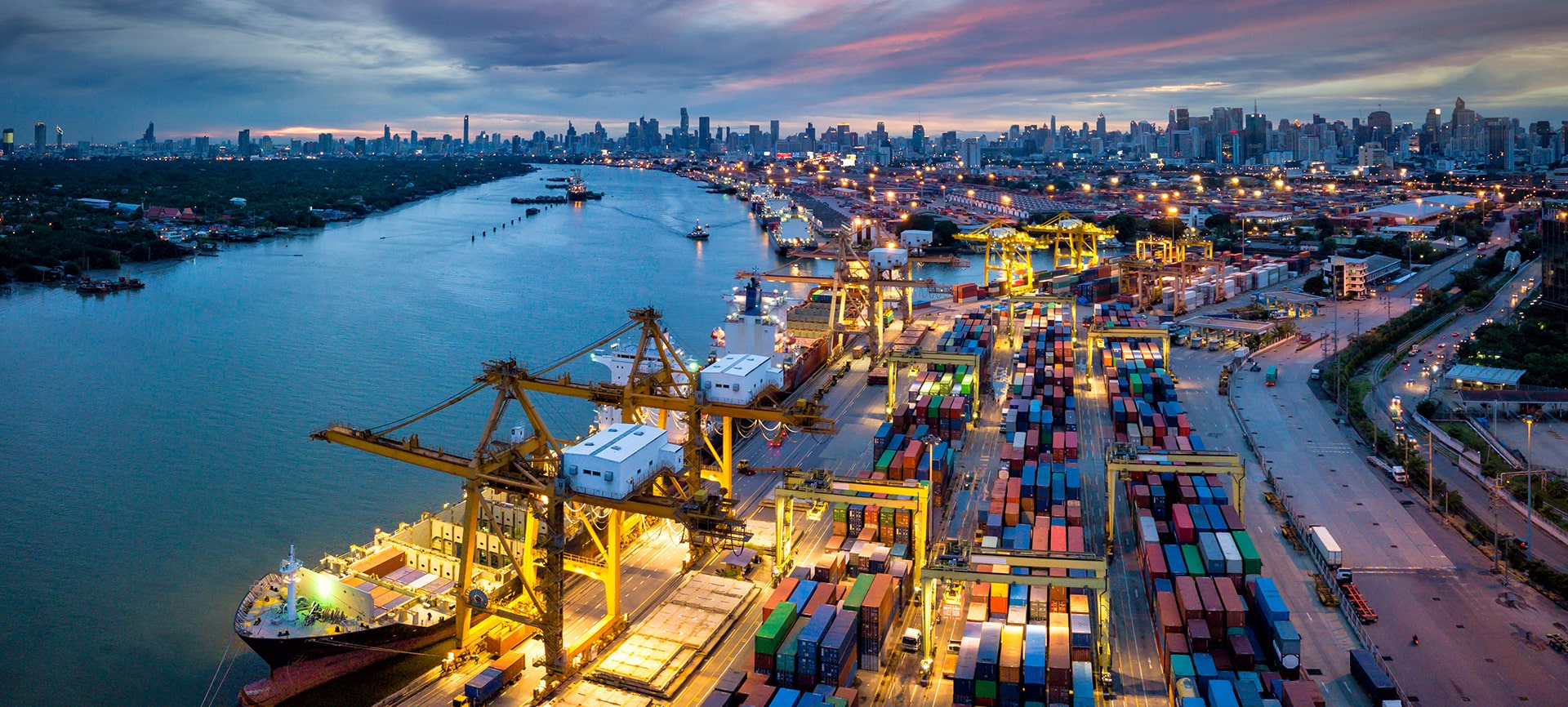
Forecasts for the Port of Los Angeles and Long Beach indicate weekly import volumes of around 210,000 to 220,000 TEU in early January, a level high enough to support rate increases by carriers.
While this is not the same kind of panic-driven surge seen during tariff-related front-loading in previous years, it is still sufficient to tighten short-term capacity.
Carrier Capacity Discipline Is Amplifying the Impact
Another critical factor is the supply-side strategy adopted by ocean carriers.
Since late 2025, carriers have implemented blank sailings to reduce available capacity and prevent a sharp collapse in freight rates during periods of weaker demand.
This disciplined approach to capacity management has now coincided with the seasonal demand uptick, resulting in a sharper-than-expected rise in spot rates.
This rate increase is not demand-driven alone but is strongly supported by intentional supply control.
Structural Oversupply Remains a Core Issue for 2026
Despite the current strength, it is essential to keep the broader picture in mind.
According to reports from DHL and other logistics research sources, global container fleet capacity is expected to grow by approximately 4 to 5 percent year on year in 2026.
In contrast, demand growth is projected at around 3 percent.
This means the market remains structurally oversupplied, even as spot rates temporarily rise.
In other words, the current rate surge should be viewed as a seasonal and tactical phenomenon rather than a fundamental shift in supply-demand balance.
Post-Lunar New Year and Contract Negotiations Are the Real Test
Looking ahead, two factors will determine how the market evolves.
- The scale of demand pullback after the Lunar New Year
- The outcome of 2026–2027 long-term service contract negotiations
Once the Lunar New Year ends, the market typically enters a seasonal slowdown.
Given the persistent oversupply, freight rates are likely to face renewed downward pressure in late February and beyond.
Carriers are clearly attempting to leverage current spot rate strength to push for higher contract rates, but shippers are fully aware of the underlying capacity situation.
As a result, negotiations are expected to remain largely shipper-favorable.
Conclusion
The recent surge in trans-Pacific spot rates is primarily driven by pre-Lunar New Year demand and disciplined capacity management by carriers.
However, structural oversupply remains unchanged for 2026, making a sustained rate recovery uncertain.
Rather than reacting solely to short-term rate movements, shippers and logistics professionals should closely monitor post-holiday demand trends and carrier supply strategies.
Thank you very much for reading.