
Posted on: January 29, 2026 / Last updated: January 29, 2026
Red Sea Crisis Escalates Again
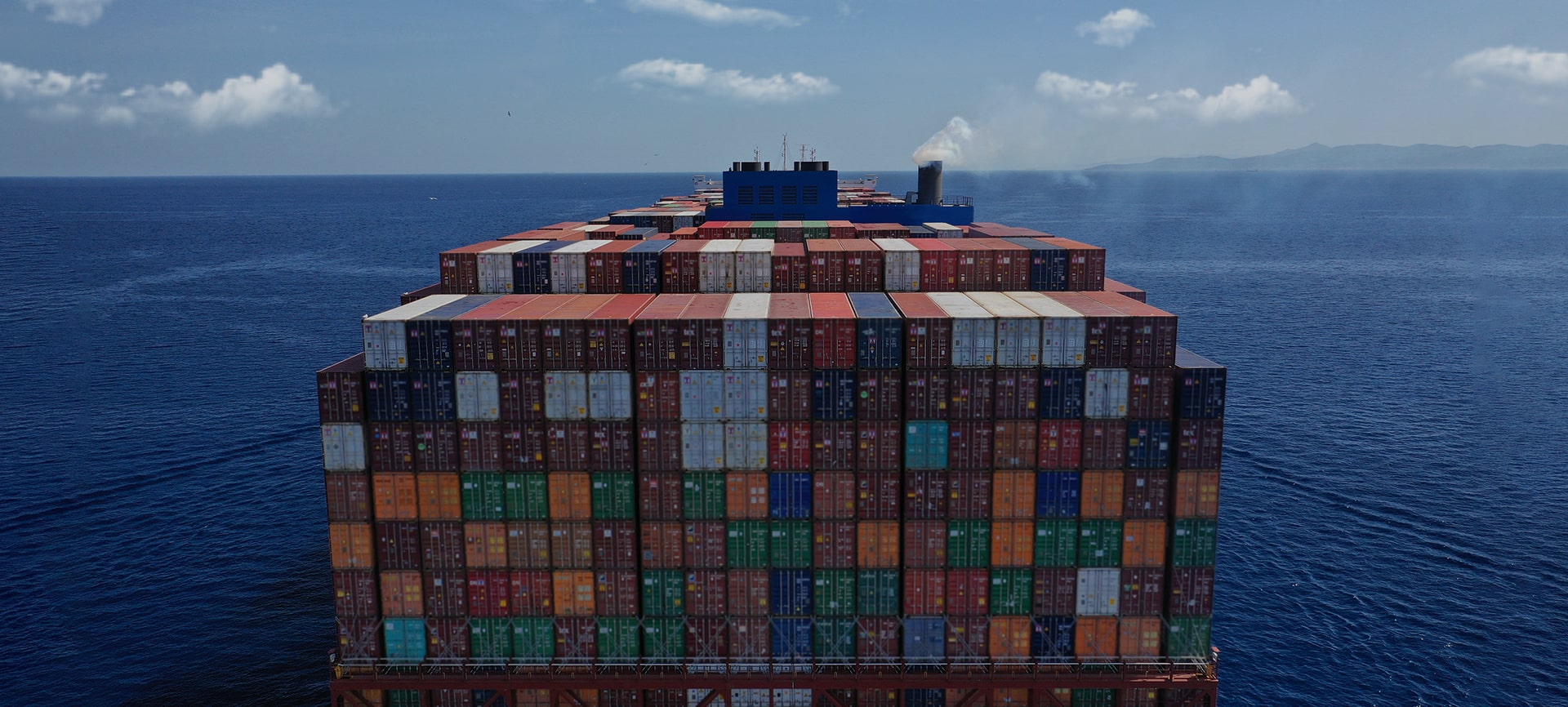
The Red Sea crisis is once again entering a dangerous phase.
Recent statements from the Iran-backed Houthi movement have raised serious concerns across global shipping and logistics networks.
Several major carriers had been preparing a cautious return to the Suez Canal, but this renewed threat has cast doubt over those plans.
CONTENTS
Watch the Video Here
Why the Risk Has Re-emerged
The current escalation is closely linked to rising military tension between the United States and Iran.
According to multiple international sources, US naval forces have increased their presence around Iranian waters, significantly heightening regional pressure.
In response, the Houthis declared that any attack on Iran would be treated as a direct provocation, explicitly linking Red Sea shipping to broader geopolitical conflict.
The Red Sea has once again become a chokepoint where geopolitics directly converts into logistics risk.
Impact on Shipping Lines and Route Planning
This renewed threat has already forced shipping lines to reconsider operational decisions.
Several carriers have paused or reversed announced Suez Canal returns, choosing to maintain Cape of Good Hope routings.
Others continue limited test transits while keeping contingency plans ready for immediate route changes.
- Extended transit times due to longer sailing distances
- Higher fuel and charter costs impacting operating margins
- Unstable schedule reliability for shippers and forwarders
For logistics planners, this means that route stability cannot be assumed, even after official reopening announcements.
Supply Chain Risk and Freight Market Effects
From a market perspective, longer routes effectively reduce available vessel capacity.
Even without demand growth, capacity tightening supports freight rates, particularly in spot markets.
If tensions escalate further, risks may spill over into adjacent chokepoints such as the Strait of Hormuz, amplifying cost volatility.
Operational Takeaways for Shippers
For cargo owners and logistics managers, the key issue is not whether the Suez Canal is open, but whether it is operationally reliable.
Supply chain planning must assume prolonged uncertainty rather than a rapid return to normal conditions.
Longer lead-time buffers, diversified routing strategies, and close coordination with carriers are now essential risk-management tools.
Conclusion
The renewed Houthi threat underscores how fragile the Suez recovery narrative remains.
Geopolitical risk management has become a core logistics function, not an exceptional contingency.