
Posted on: March 3, 2026 / Last updated: March 3, 2026
Trump’s 150-Day Tariff Plan — What It Means for North American Supply Chains
Today we refer to the February 24 article from Nikkei regarding the activation of a new U.S. tariff measure and analyze how the latest U.S. trade policy could impact supply chains and North American shipping lanes.
CONTENTS
Watch the Video Here
A 150-Day “Bridge” After the Supreme Court Ruling
On February 24 (ET), the Trump administration invoked Section 122 of the Trade Act of 1974, introducing a temporary tariff for 150 days, with rates up to 15%.
This follows a February 20 U.S. Supreme Court ruling declaring that the President lacked authority under IEEPA to impose the previously announced “reciprocal tariffs” and “fentanyl tariffs.”
To avoid a tariff vacuum, the administration is now using Section 122 as an interim tool, with the intention of shifting to Section 301 tariffs after 150 days — a more durable and legally defensible framework.
Policy Sequence
IEEPA tariffs invalidated → 150-day Section 122 bridge → Full-scale Section 301 tariffs
Why Section 122 Is Controversial
Section 122 was originally designed as a temporary safeguard against serious balance-of-payments issues.
Using it as a tariff enforcement tool is considered unusual.
Experts at CSIS have even labeled it a “misuse.”
However, after the Supreme Court ruling, the administration needed to avoid a gap in tariff enforcement while preparing the next legal step.
The 150-day limit may also reduce litigation risk by transitioning to Section 301 before court challenges conclude.
Unexpected Winners
Ironically, some countries temporarily benefited from the ruling.
China and Brazil saw significant tariff risks disappear overnight.
China had faced cumulative risks exceeding 20%, potentially up to 44%, while Brazil faced up to 50% in additional duties.
Those burdens have, for now, been reset.
Irony of the Situation
Geopolitical tensions persist, yet tariff pressure temporarily eases.
A Surge in Front-Loading Likely
From a logistics perspective, the key question is whether this 150-day window will trigger aggressive front-loading.
The answer is likely yes.
If higher Section 301 tariffs are expected by summer, shippers have strong economic incentives to move inventory into the U.S. before rates rise again.
- Increase inventory during low-tariff window
- Ship goods before potential tariff escalation
Implications for North American Shipping
Particularly on the Trans-Pacific Asia–North America trade lane, the following risks may emerge:
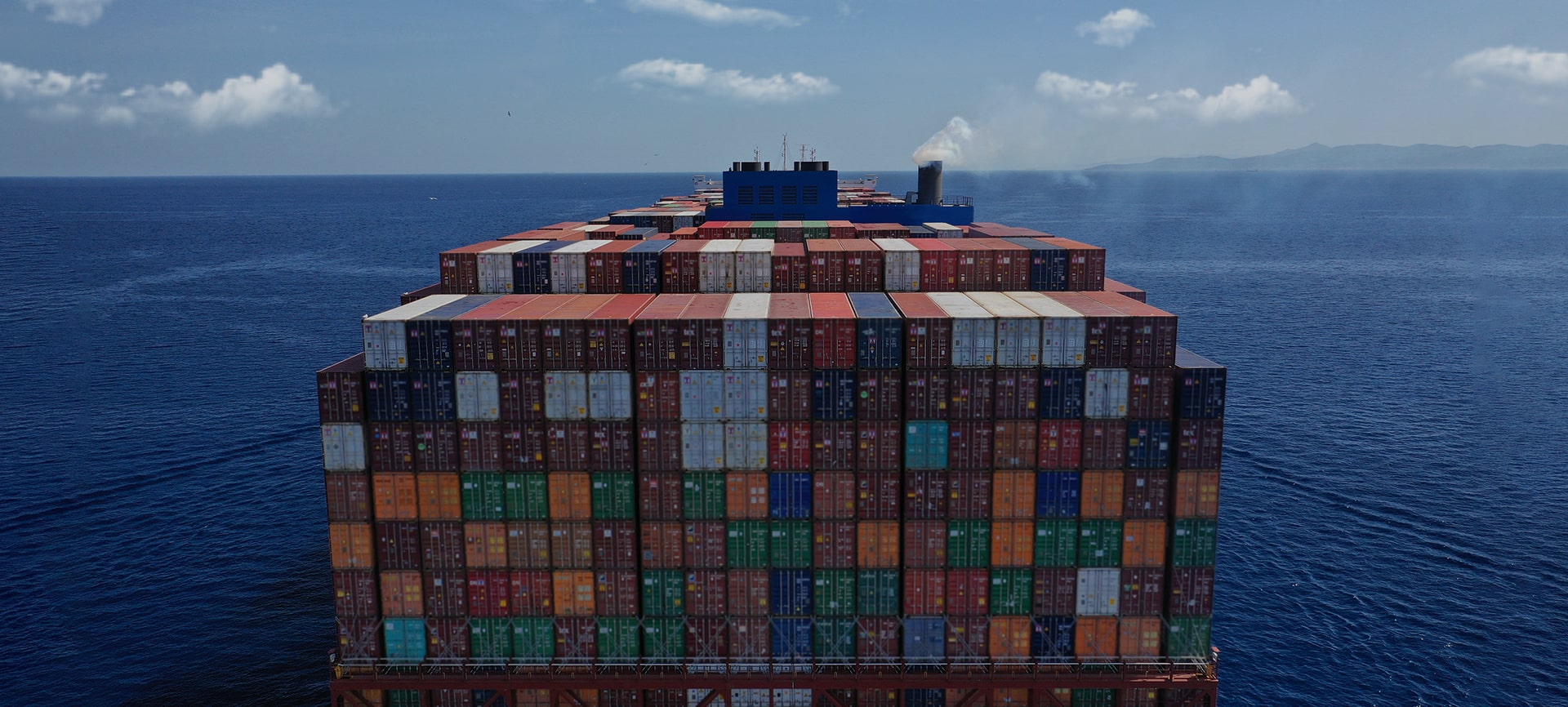
- Tight vessel capacity and rising spot rates
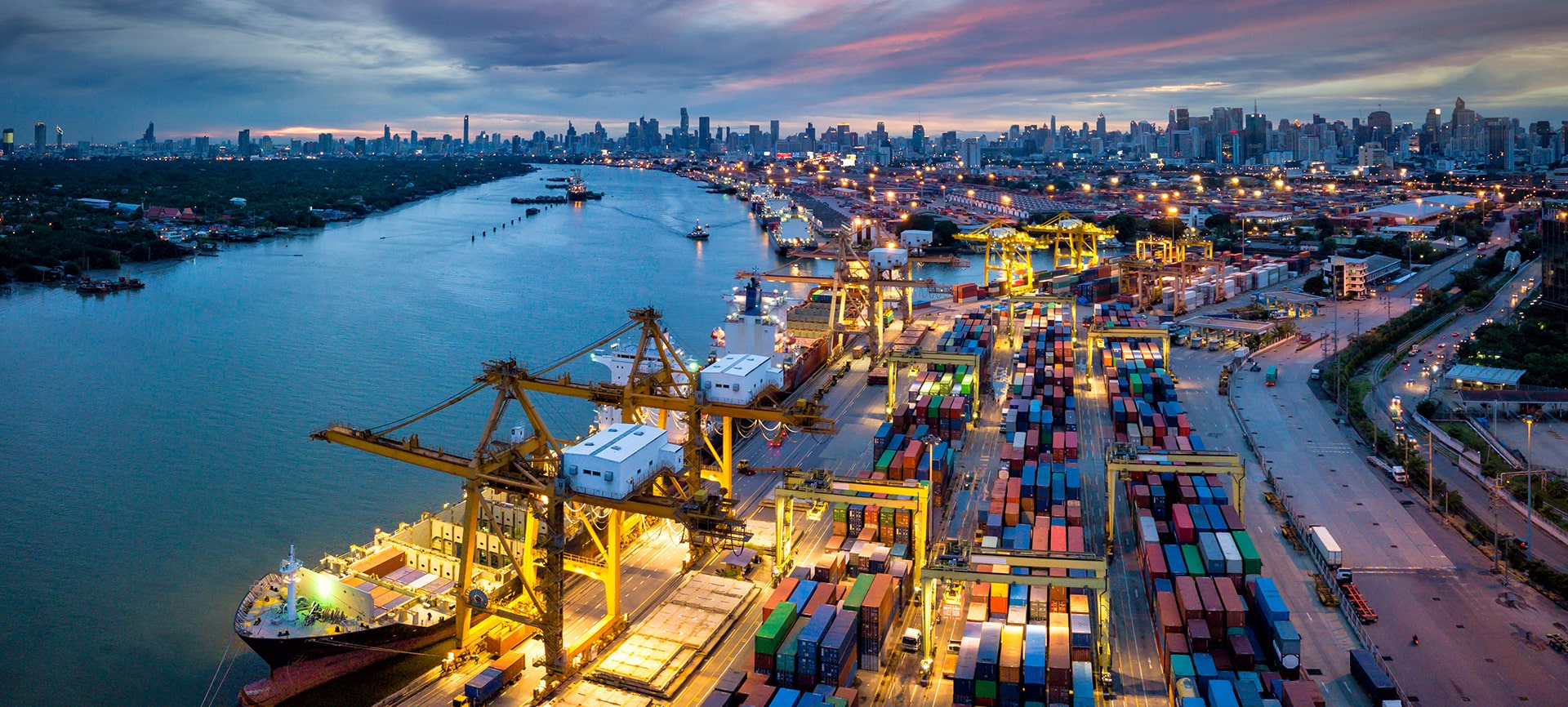
- Congestion at Los Angeles and Long Beach
- Inland transportation bottlenecks
Immediate Challenge
The 150-day window is both an opportunity and a competitive race for capacity.
Strategic early booking and inventory planning will be critical in the coming months.