
Posted on: December 3, 2025 / Last updated: December 3, 2025
Latest Freight Trends Across Asia, Europe, and North America

Ocean freight rates move quickly in response to even small shifts in supply and demand.
Carriers adjust weekly sailings based on cargo volume, and when bookings fall short, they implement blank sailings and intentionally cancel a voyage.
A canceled sailing pushes more cargo into the following week and makes space tighter.
This mechanism helps carriers control supply and prevent a sharp drop in rates.
CONTENTS
Different Market Conditions in Europe and North America
Europe has seen a milder decline in demand, and inventory adjustments have been moderate.
Cargo flows remain relatively stable, keeping the supply–demand balance intact.
North America shows a different picture as retailers continue aggressive inventory reductions.
This prolonged destocking delays cargo recovery and keeps demand weak.
As a result, rate trends in Europe and North America are moving in different directions.
Why Mega-Vessels Cannot Simply Shift to Asia
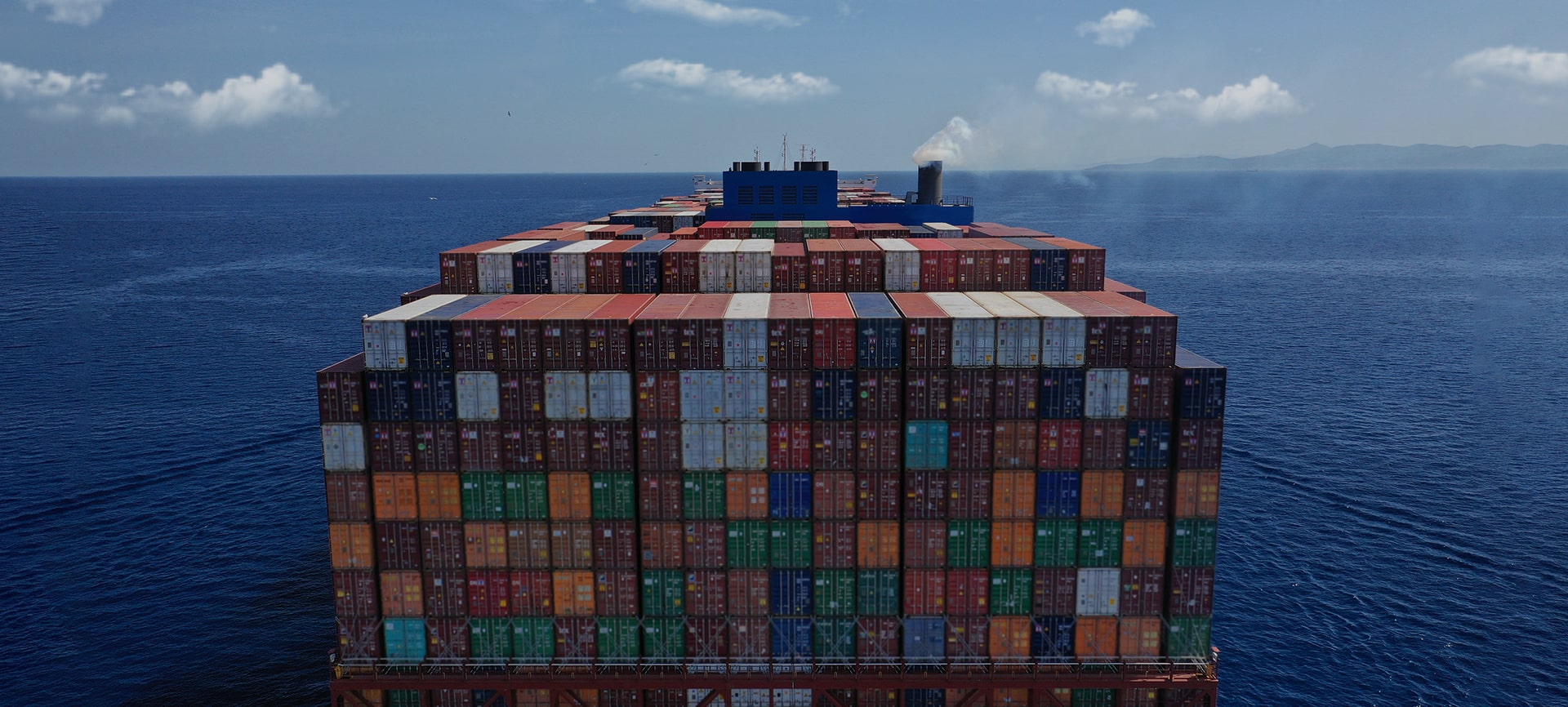
North American services deploy 16,000–24,000 TEU mega-vessels designed for high-volume trades.
However, shifting these vessels to Asia is not a practical option.
- Many Asian and ASEAN ports lack sufficient depth and berth specifications to handle mega-ships.
- ASEAN trades have lower freight rates, making large-vessel deployment uneconomical.
- Mega-vessels increase port stay times and contribute to terminal congestion.
These structural constraints make it impossible to simply “move excess vessels to Asia.”
Current Situation by Trade Lane
Intra-Asia: Seasonal peaks and limited capacity keep rates on an upward trend.
North America: Weak demand and continuous new-building deliveries result in persistent oversupply.
Europe: Carriers maintain firm rates through ongoing blank sailings and proactive capacity control.
Outlook
Intra-Asia trades may face additional tightening as Lunar New Year cargo builds up.
For Europe, the status of the Suez Canal remains the key factor.
A broad reopening would increase available capacity and could bring back congestion in major European ports.
However, an immediate collapse in rates is unlikely, and a short-term upward swing also remains possible.
North America continues to show downward pressure on rates, but further blank sailings may limit the decline.
Political developments in the United States may introduce sudden changes to tariff policies, adding uncertainty to the market.
Summary
Asia, Europe, and North America each exhibit distinct supply–demand dynamics, resulting in diverging freight trends.
Multiple factors — seasonal patterns, port constraints, and political risks — interact simultaneously, creating a market environment that remains difficult to predict.
Shippers will benefit from early planning based on the specific characteristics of each trade lane.